

GiovanniMaria Piccini
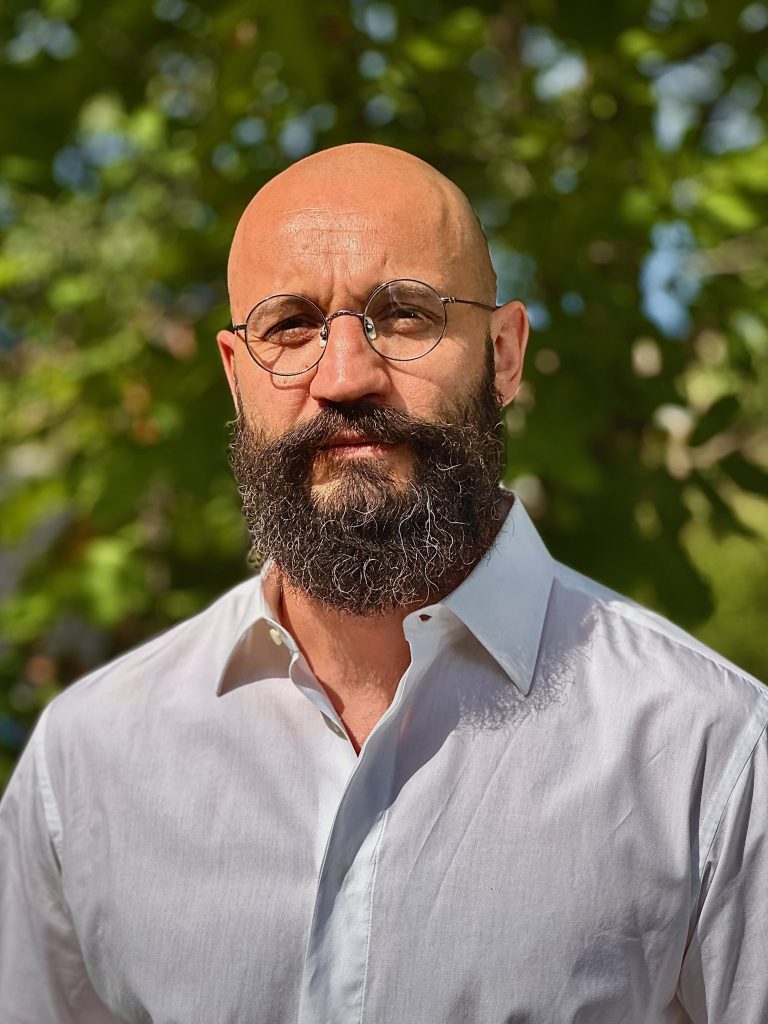
GiovanniMaria Piccini, Dr. rer. nat., associate professor
Giovanni is Professor of Theoretical and Computational Chemistry at the University of Modena and Reggio Emilia (UNIMORE), where he has been based since December 2023. Prior to this, he was Professor of Theoretical and Computational Chemistry at RWTH Aachen University (Germany), where he led the Modeling and Simulation in Catalysis Lab.
He previously worked as a staff scientist at the Pacific Northwest National Laboratory (PNNL) in Richland, Washington (USA), and as a postdoctoral researcher in the group of Michele Parrinello at ETH Zurich (Switzerland). He earned his doctorate (Dr. rer. nat.) at the Humboldt University of Berlin under the supervision of Joachim Sauer, after completing his studies in Trieste (Italy) within the European Master in Theoretical Chemistry and Computational Modelling, jointly supervised by Mauro Stener (University of Trieste) and Ria Broer (University of Groningen).
His research interests lie in theoretical and computational chemistry, with a strong interdisciplinary perspective that bridges chemistry, physics, computer science, and engineering. His work focuses primarily on the modeling and simulation of chemical reactivity and rare events using enhanced sampling techniques, with particular emphasis on catalysis and complex catalytic processes.
Postdocs
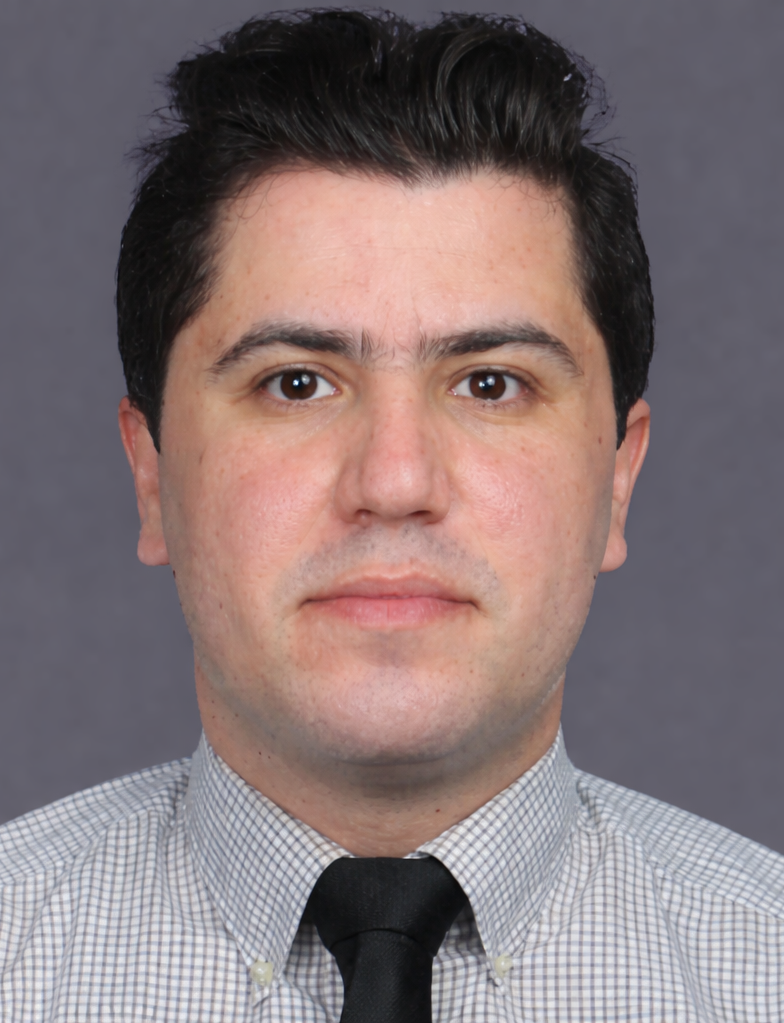
Ali Ghiami-Shomami, PhD
Ali obtained his Ph.D. in Physical Chemistry from the University of Guilan, Iran. He subsequently held postdoctoral appointments at the University of Tartu (Estonia) with Prof. Ivo Leito, Ruhr University Bochum (Germany) with Prof. Dr. Christof Hättig and Prof. Dr. Marialore Sulpizi, and the University of Udine (Italy) with Prof. Dr. Andrea Melchior.
His research lies at the interface of computational chemistry and molecular modeling, with a strong focus on the theoretical investigation of organic systems using advanced electronic structure methods. His main research interests include the development and application of state-of-the-art computational tools for materials science and drug design.
In Giovanni’s research group, he is currently engaged in the computational modeling of zeolites. His work focuses on investigating adsorption and diffusion processes through molecular modeling and molecular dynamics, within a collaborative project with ENI through INSTM.
PhD Students
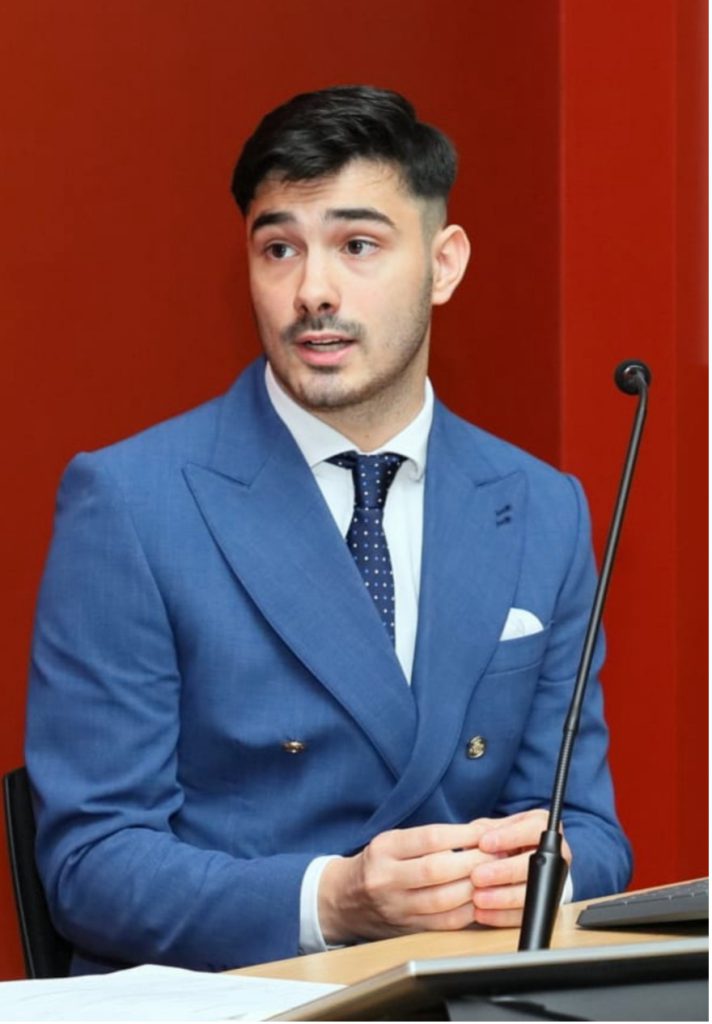
Alessandro Morittu, MSc
Alessandro obtained his MSc from the University of Cagliari (UNICA) and began his PhD in 2024 in the Piccini Group at the University of Modena and Reggio Emilia (UNIMORE). During both his bachelor’s and master’s internships, he focused on computational chemistry, investigating topics such as the passive transport of ions across lipid membranes and the role of water in enhancing the capacity and selectivity of carbon dioxide and methane physisorption in functionalized MCM-41.
Building on his computational background, his current research centers on developing and applying simulation methods that integrate molecular dynamics and machine learning. These methods aim to explore complex reactivity processes in feedstock valorization within zeolites.
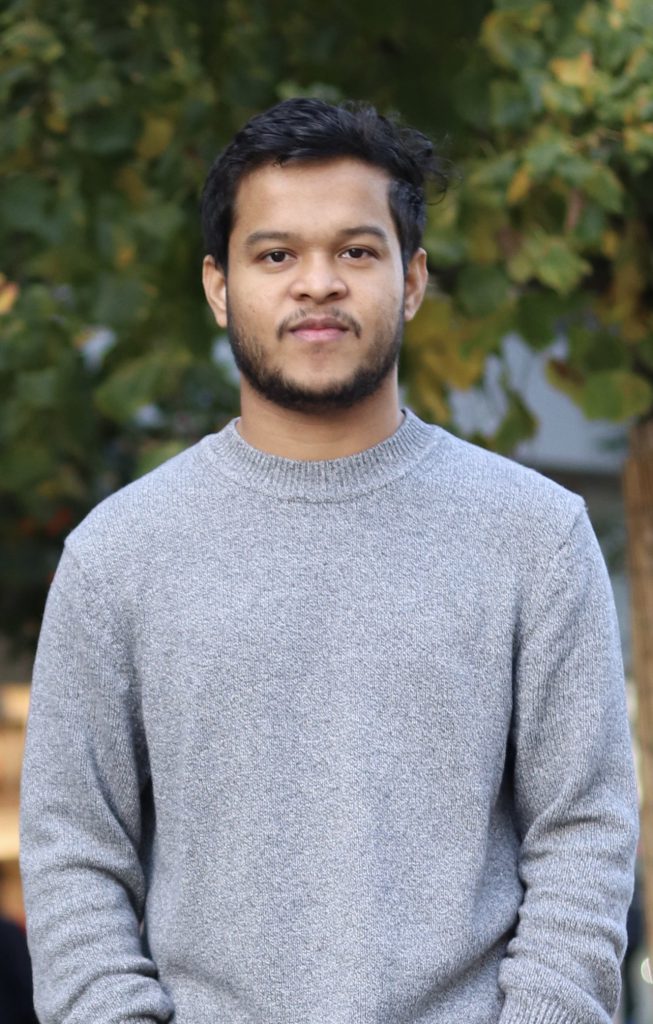
Chintu Das, MSc (co-supervised by Prof. M. Liauw@RWTH Aachen)
Chintu received his MSc in Chemistry from IIT Bombay and began his PhD in the Piccini group in 2023. After Giovanni moved to Italy, Chintu continued working with him, co-supervised by Prof. M. Liauw at RWTH Aachen.
During his Master’s, he worked on active Brownian dynamics, focusing on the non-equilibrium behavior of active matter systems.
Currently, his research centers on the application of enhanced sampling techniques to unravel complex catalytic mechanisms in both supramolecular and heterogeneous catalysis. To push the boundaries further, he is actively developing machine learning-based interatomic potentials, enabling accurate and efficient simulations of catalytic processes at the atomic scale.
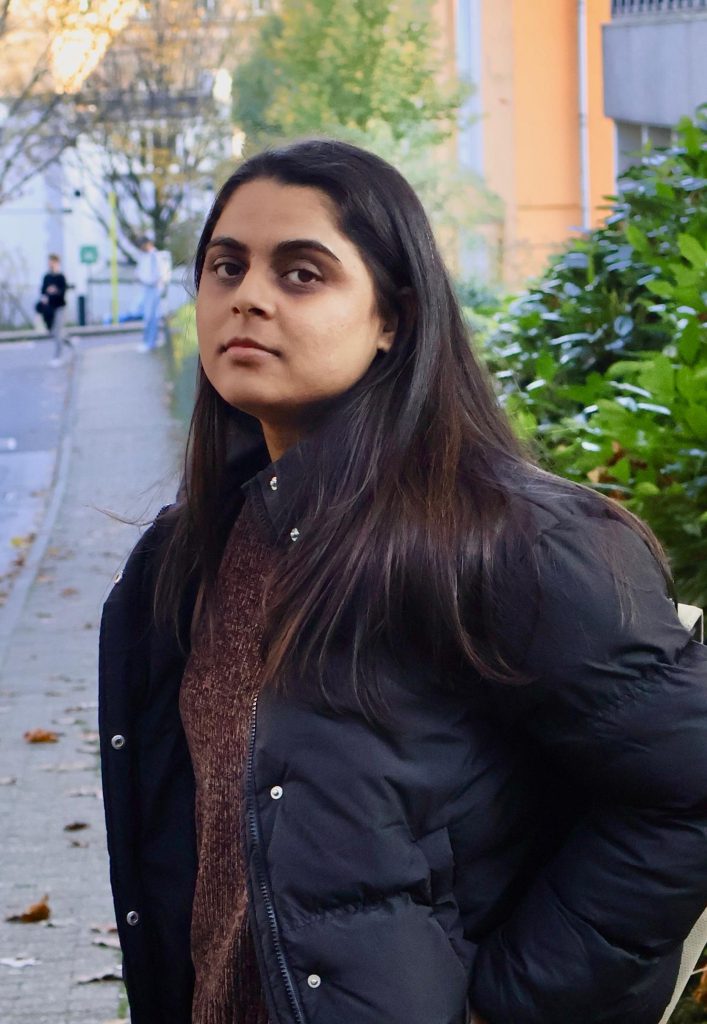
Princy Jarngal, MSc (co-supervised by Prof. A. Khetan@RWTH Aachen)
Princy Jarngal is a PhD student in the group of Prof. GiovanniMaria Piccini. She received her MSc in Chemistry from the Indian Institute of Technology (IIT) Delhi in 2022 and joined the Piccini group in 2023. After Prof. Piccini relocated to Italy, she continued her PhD under his supervision, co-supervised by Prof. A. Khetan at RWTH Aachen.
Her previous research experiences include utilizing molecular dynamics simulations to investigate lithium battery electrolytes, interactions of spike proteins receptor with small molecular inhibitors during her master’s under Prof. H. Kashyap (IIT Delhi). She also interned at the Institute of Atomic and Molecular Sciences, Academia Sinica (Taiwan), supervised by Prof. Jer-Lai Kuo, where she explored peptide conformations using machine learning-based potential energy surfaces.
Her PhD research focuses on developing and applying enhanced sampling methods combined with machine learning to study complex reactive interfaces, particularly in heterogeneous and nanoporous catalytic systems like zeolites.
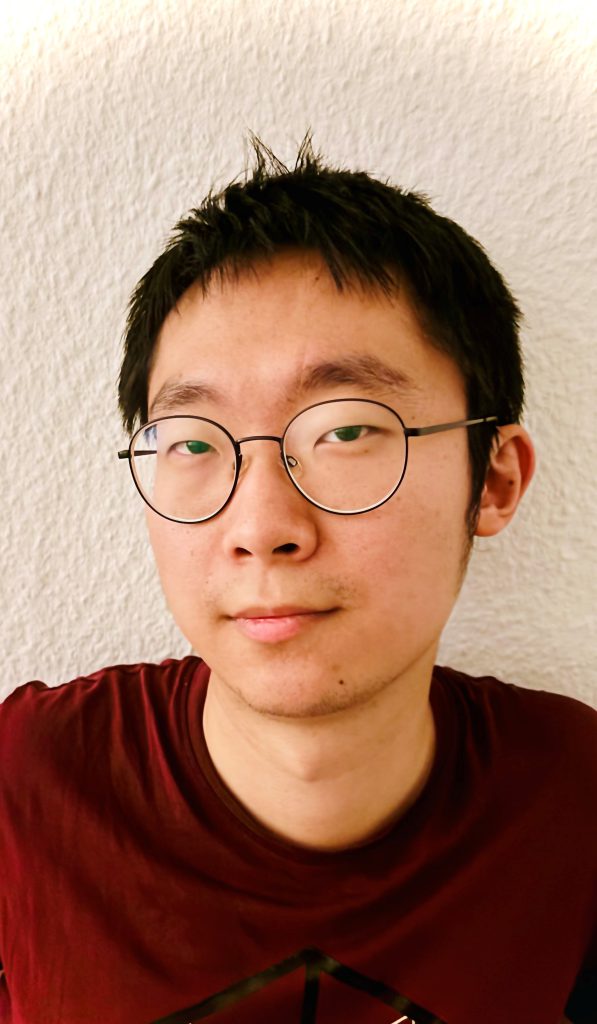
Zhikun Zhang, MSc (co-supervised by Prof. K. Leonhard@RWTH Aachen)
Zhikun received his MSc in Simulation Sciences from RWTH Aachen and began his PhD in the Piccini group in 2023. Working with Giovanni, he has developed loxodynamics, an innovative acceleration methodology that exploits the skewness inherent in local probability distributions of samples. At the core of this method is Skewencoder, a specially designed Autoencoder framework enhanced with a skewness-based loss function to extract reaction coordinates from minimal sampling data. Through iterative cycles of sampling and searching, this system adaptively maps the free energy landscape, effectively capturing finite-temperature effects vital to complex reactive environments. This methodology is projected to have broad applicability across various chemical systems, encompassing areas such as combustion and catalysis.
Additionally, he contributes to the development of ChemTraYzer, an in-house automatic tool for identifying reaction pathways to support the construction and refinement of chemical reaction models. This tool is being developed by Prof. Kai Leonhard’s group.